Seattle's Bold Move: Companies Fund Homeless Solutions Amidst Rapid Growth
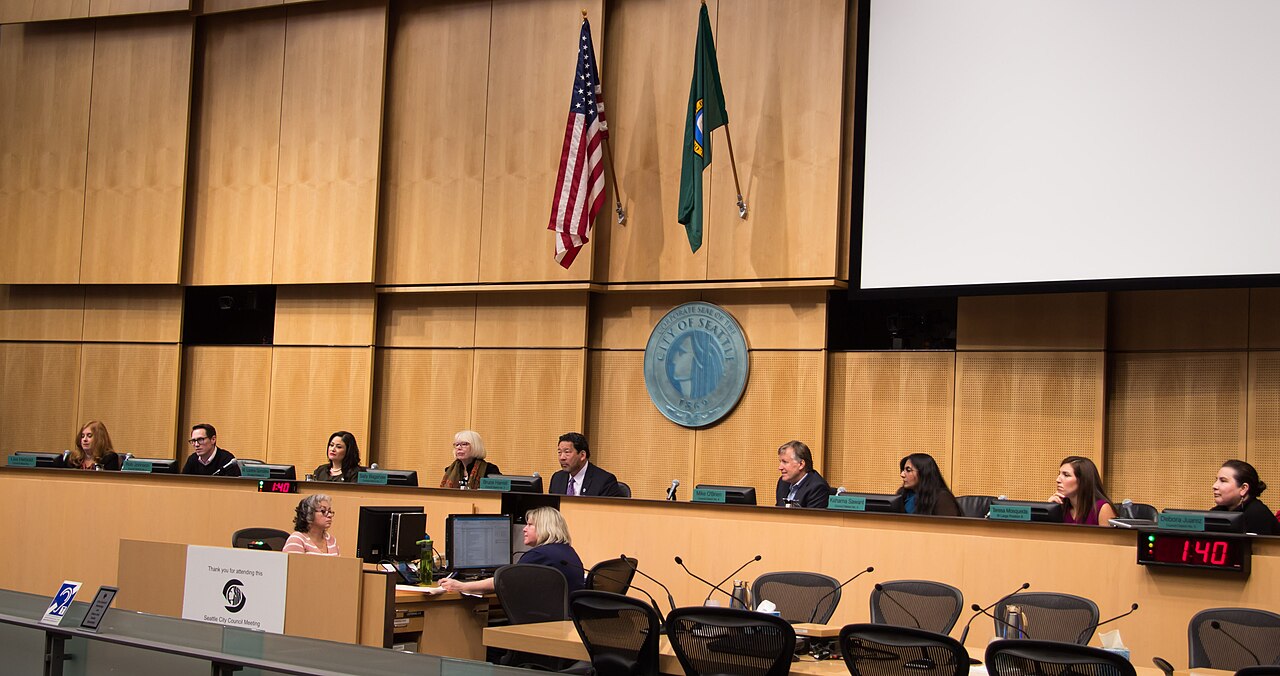
Seattle, a city synonymous with innovation, rapid economic expansion, and a burgeoning tech industry, has once again found itself at the forefront of a pressing urban challenge. In a landmark decision that sent ripples through its corporate landscape and beyond, the city council unanimously approved a pioneering head tax aimed at combating the escalating homelessness crisis. This strategic move, projected to generate approximately $48 million annually, mandates large businesses, including titans like Amazon and Starbucks, to contribute to a dedicated fund for affordable housing and essential homeless services. This initiative not only addresses a critical social need but also highlights a growing trend of cities holding corporations accountable for their impact on local communities.
The decision was not without its share of impassioned debate and intense scrutiny, particularly from the business community. Yet, it underscores Seattle's commitment to finding tangible solutions to a housing crisis exacerbated by its own remarkable success. With skyrocketing housing prices and an alarmingly high number of individuals experiencing homelessness – Seattle boasts the third-highest homeless population in the U.S., sadly accounting for 169 deaths last year – the urgency for action was undeniable. This financial injection is earmarked for critical initiatives, from constructing new affordable housing units to expanding vital support services, providing a lifeline to thousands struggling to find stability in one of America's most prosperous cities.
The Core of the Debate: Economic Boom vs. Social Responsibility
The path to implementing Seattle's head tax was paved with heated discussions, reflecting a fundamental tension between fostering economic growth and addressing the social inequities that often accompany it. The initial proposal of a $500 per-worker tax was ultimately scaled down to a compromise of around $275 per full-time employee annually. This reduction came after weeks of intense pressure from businesses and a dramatic intervention from Amazon, which briefly paused construction planning for a new 17-story tower and reconsidered office space expansion, signaling potential implications for some 7,000 new jobs. This move by Amazon, a company deeply embedded in Seattle's identity, amplified concerns about the tax's potential impact on future corporate growth and job creation.
Critics, including Amazon's vice president Drew Herdener, argued that the tax was "a tax on jobs" and questioned the city's financial management, suggesting Seattle had a "spending efficiency problem" rather than a revenue deficit. Businesses contended that existing city funds for homelessness were not being utilized effectively, raising legitimate questions about accountability and impact. These concerns resonate with many who fear that additional taxes could deter businesses from expanding or even remaining in Seattle, potentially harming the very economic engine that drives the city's prosperity. For a deeper dive into these corporate concerns, explore Amazon vs. Seattle: Head Tax Sparks Growth Concerns.
However, proponents of the tax firmly believed that companies benefiting immensely from Seattle's economic boom, and arguably contributing to rising income inequality, have a moral obligation to contribute to solutions. Council members, driven by public sentiment encapsulated in chants of "housing is a human right" and signs proclaiming "People before profits," emphasized the stark contrast of "people dying on the doorsteps of prosperity." They highlighted that while Seattle thrives, its regressive state tax system places an undue burden on lower-income residents. This tax, they argued, is a vital step toward rectifying this imbalance and ensuring that the city's success is shared more equitably.
Navigating the Compromise: A Path Forward for Affordable Housing
The unanimous approval of the compromise plan, despite acknowledging that $48 million annually might not fully meet the city's urgent housing needs, represented a significant political achievement. Council member Lisa Herbold, a key sponsor, articulated the struggle, calling it the "strongest proposal" achievable given the political landscape and the need to secure enough votes to override a potential mayoral veto. This negotiation highlights the complex dance between idealism and pragmatism in urban governance, where the desire for comprehensive solutions must be balanced against political realities and economic pressures.
The $275 per-employee figure, while less than initially hoped for by some, still represents a substantial commitment. It offers a tangible, dedicated funding stream that can kickstart and sustain crucial programs. This money will not just build roofs over heads; it will fund outreach programs, provide mental health services, and support job training initiatives designed to help individuals transition out of homelessness. This targeted approach, funded by those who have thrived within the city's ecosystem, sets a precedent for how urban centers can mobilize corporate resources to tackle societal challenges. The compromise serves as a "down payment," as council member Teresa Mosqueda put it, on the long-term investment required to build the housing infrastructure Seattle desperately needs.
Beyond Policy: How Seattle Advances on Multiple Fronts, Including WCC Success
While Seattle grapples with complex urban challenges like homelessness through innovative tax policies, the city simultaneously celebrates significant achievements in other arenas. Indeed, in the world of sports, fans cheered as the Seattle Sounders advanced to the Western Conference Championship (WCC), showcasing the city's competitive spirit and drive for success. This triumph on the soccer field, marked by Clint Dempsey's brilliant winner against the Vancouver Whitecaps, electrified the city and offered a reminder of Seattle's dynamic character across various sectors.
The Sounders' journey to the WCC, a testament to skill, teamwork, and resilience, mirrors Seattle's broader ambition to continually push forward. Just as the team meticulously plans its strategies on the field, the city's leaders are charting new courses in urban policy. This multifaceted progress, where Seattle advances WCC ambitions in sports while simultaneously pioneering solutions to social issues, illustrates a city that is not content to rest on its laurels. It's a place where innovation isn't confined to tech campuses but permeates civic life, from groundbreaking tax legislation to thrilling sporting victories. The success of the Sounders, much like the commitment to addressing homelessness, speaks to a collective will to achieve and to improve.
This spirit of progress is evident in various community initiatives and ongoing dialogues aimed at improving urban living. Seattle's readiness to engage in challenging debates, whether about tax structures or urban planning, signifies a mature and forward-thinking metropolitan area. The city's ability to balance its rapid economic growth with a robust social conscience is a narrative many other global cities are now watching closely, seeking inspiration and lessons.
The Road Ahead: Impact and Future Implications for Seattle
The implementation of Seattle's $48 million head tax is more than just a financial transaction; it's an ongoing experiment in urban governance and corporate social responsibility. The success of this initiative will largely depend on the city's ability to demonstrate transparent and efficient use of the new funds. Regular reporting, clear metrics, and public accountability will be crucial in addressing the concerns raised by businesses about spending efficiency. Furthermore, the long-term impact on Seattle's corporate climate will be closely monitored. Will businesses truly be deterred, or will the positive societal impact foster a more integrated and stable community environment that ultimately benefits everyone?
This bold move by Seattle offers valuable lessons for other rapidly growing cities facing similar pressures. It highlights the necessity for proactive policy-making when economic prosperity outpaces social infrastructure. It underscores the importance of community engagement and the delicate balance required to reconcile the demands of a thriving business sector with the urgent needs of vulnerable populations. As Seattle advances its commitment to solve its complex urban challenges, its $48 million head tax initiative will undoubtedly be a case study for future urban policy debates, proving that a city can be both economically vibrant and socially responsible.